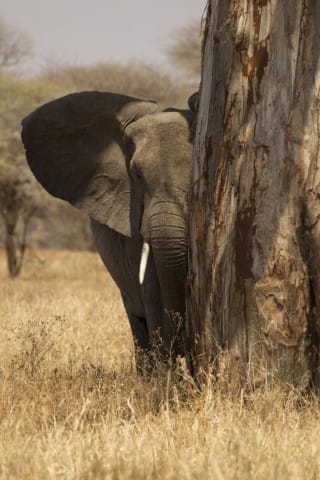
The alarm sounds at 4:30 AM. The African night is still thick around you. This is the beginning of a day you will never forget.
4:30 AM — The Wake-Up Call
Your day begins before the sun has even considered rising. The air is cool and crisp, carrying the faint scent of acacia and distant earth. A gentle knock on your chalet door or the buzz of an alarm pulls you from sleep. Do not hit snooze — the animals are already moving, and the best light (and best hunting) happens in these first golden hours.
Pull on your boots, grab your layers, and make your way to the main lodge. The fire is already going. A pot of strong, dark coffee awaits, along with a light breakfast of rusks, fruit, and perhaps some eggs to fuel the morning ahead. Your Professional Hunter (PH) and tracker are already there, studying the wind, reviewing the plan, and sharing quiet conversation. The energy is calm but focused. Everyone knows what is at stake.
5:30 AM — Into the Bush
As the first blush of pink and orange bleeds across the horizon, you climb into the hunting vehicle. The engine turns over with a low rumble, and you roll out into the awakening bush. The world is coming alive around you — birdsong erupts in chorus, a herd of impala lifts their heads from the grass, and somewhere in the distance, a lion’s roar reminds you that you are a guest in a wild place.
Your PH and tracker scan the landscape with practiced eyes. They are reading tracks in the sand, watching the behavior of prey species, and listening for alarm calls that betray the presence of predators — or your quarry. The hunt is already underway, even if you do not yet realize it.
6:00 AM to 10:00 AM — The Morning Stalk
This is the heart of the safari experience. When fresh tracks are found, you leave the vehicle behind and go in on foot. The pace is slow, deliberate. Every step is placed with care to avoid dry leaves and snapping twigs. The wind is constantly checked — it must be in your face, or the game will scent you and vanish like smoke.
Your tracker moves with the grace of someone who has read this land his entire life. He points to a bent blade of grass, a warm dung pile, a hair caught on thorn. Your PH keeps you close, coaching your movements, helping you read the terrain, and preparing you for the moment of truth. Your pulse quickens. The adrenaline is real. This is not a video game or a range session. This is ancient, primal, and utterly absorbing.
When the moment comes — a kudu bull steps into a clearing, a gemsbok pauses on a ridgeline, a warthog emerges from his burrow — time seems to compress. Your PH’s voice is low and steady. “Take your time. Breathe. Wait for the shot.” The decision is yours alone. The rifle settles into your shoulder. The crosshairs find their place. And then…
Whether the shot is taken or the animal slips away into the thickets, the experience is etched into you. There is no guarantee in hunting, and that is precisely the point. The chase is the thing. The respect for the animal, the land, and the tradition is what stays with you.
10:00 AM to 12:00 PM — The Midday Lull
As the sun climbs and the heat builds, most animals retreat to shade and thick cover. This is the time to return to camp for a proper brunch — perhaps fresh bread, cold meats, salads, and a cold drink that has never tasted so good. The trackers and skinners set to work on any animal taken, ensuring the meat is handled with care and the trophies are prepared with skill.
Use this time to rest. Write in your journal. Clean your rifle. Swim in the pool if the lodge has one. Or simply sit on the veranda and watch a family of vervet monkeys play in the trees. The midday hours are a reminder that safari is not a frantic race. It is a rhythm, an immersion into a slower, more deliberate way of being.
12:00 PM to 2:30 PM — Optional Afternoon Activities
Some hunters use the midday break to explore beyond the hunt itself. Many safari outfits offer additional experiences: a visit to a local village to understand the community that shares this land, an afternoon of birdwatching (Africa’s birdlife is staggering in its diversity), or a guided bush walk to learn tracking, medicinal plants, and the smaller wonders often missed from a vehicle.
Others choose to simply sleep. There is no shame in it. The early mornings and the adrenaline of the stalk are more taxing than they appear. A rested hunter is a sharp hunter, and the afternoon session demands your full attention.
2:30 PM to 3:00 PM — Afternoon Tea
Much like the British tradition that left its mark on colonial Africa, afternoon tea is a small ritual before the evening hunt. A cup of coffee or tea, a slice of cake or a sandwich, and a final briefing with your PH. The wind has shifted. New information has come in from the trackers. The plan is adjusted. You head out again as the day begins to cool.
3:00 PM to 6:30 PM — The Evening Hunt
The late afternoon is a mirror of the morning, but with a different light — longer shadows, richer colors, and a sense of urgency as the sun begins its descent. The animals are moving again, emerging from their shaded refuges to feed and drink before nightfall.
The stalks in the evening often feel more electric. The day has built a quiet confidence in you, or perhaps a hunger if the morning was unsuccessful. Either way, you move through the bush with a deeper awareness now. You are beginning to read the land yourself — noticing the flick of an ear in the tall grass, the shape that is not quite a termite mound, the silence that means something large is nearby.
If an animal is taken in the evening, the work does not end with the shot. You will approach the animal with reverence. Your PH will shake your hand, but there is no chest-thumping. The moment is solemn. The tracker may offer a quiet word of thanks or respect. Photos are taken, but they feel secondary. The real trophy is the memory, the challenge met, and the meat that will feed families — both in camp and in the local community.
6:30 PM to 7:30 PM — Sundowners and the Return
As darkness falls, you make your way back to a predetermined spot where the vehicle waits — or perhaps to a scenic overlook where your PH has stashed a cooler. Sundowners are a sacred safari tradition: a gin and tonic, a cold beer, or a soft drink shared as the sun bleeds into the horizon and the first stars emerge. You recount the day’s events, laugh about the one that got away, and sit in comfortable silence as the bush transitions from day to night.
The drive back to camp is often when the nocturnal animals reveal themselves. A leopard’s eyes glow in the spotlight beam. A hyena whoops from the darkness. A porcupine waddles across the track. The bush never sleeps, and these moments remind you how much more there is than what you came to hunt.
7:30 PM to 9:00 PM — Dinner and Fireside Stories
Back at camp, a hot shower and a change of clothes restore you. Dinner is served under the stars or in a thatched boma around a crackling fire. The food is hearty and excellent — perhaps venison from a previous hunt, fresh vegetables, and homemade bread. Wine flows. Stories are swapped. The PH shares tales of hunts past, of close calls and legendary animals. Other guests chime in with their own adventures. The tracker, usually quiet during the day, opens up in his native tongue, translated by the PH, revealing a depth of knowledge and humor that deepens your respect for him.
There is no rush. The fire burns down to embers. The Milky Way stretches overhead in a way that city dwellers have forgotten exists. You feel a profound sense of place, of privilege, of having stepped outside the modern world into something older and truer.
9:00 PM — Rest for Tomorrow
By nine, most hunters are ready for bed. The day has been long, physically and emotionally rich. You fall asleep to the sound of distant lions or the rhythmic chirp of cicadas, knowing that in a few short hours, the alarm will sound again and the cycle will repeat.
"You will not expect how small the modern world feels when you are standing on an ancient landscape, rifle in hand, watching the sun rise over a wilderness that does not care about your emails, your deadlines, or your worries."
ZOLTAN MANFAI
A safari day is structured but never scripted. It follows the rhythm of the wild, not the clock. Some days you will return with a trophy and a story. Some days you will return with nothing but blisters and a sunburn — and somehow, those days are just as meaningful. The best advice any first-timer can receive is this: surrender to the experience. Do not measure the trip by the animals in the salt. Measure it by the moments that take your breath away, the friendships forged in firelight, and the quiet realization that you have touched something timeless.
The alarm will sound at 4:30 AM tomorrow. The African night will still be thick around you. And you will rise, grateful, ready to do it all again.
Ready to write your own safari story? Contact Top Trackers to begin planning your first African adventure. Click here to see the safari packages we can curate for you today!